Quick Links
Need help or want to share feedback?
Get in touch: feedback@mlbpa.org
Protect. Defend. Advance.
Features
News Room
Voted by the Players.


Key moments
In MLBPA
History
MOMENTS
KEY
MLBPA
In
Overview
Since the MLBPA’s inception under Marvin Miller in 1966 and Curt Flood’s historic fight for free agency several years later, the organization has thrived on a foundation of commitment and unity among its Player members. Take a look at some memorable moments that tell the story of the union, recognize its profound impact on the game, and celebrate its dedication to the fight to advance the rights of Players.
Generation to Generation
MLBPA
Protect. Defend. Advance.
A Test of Unity
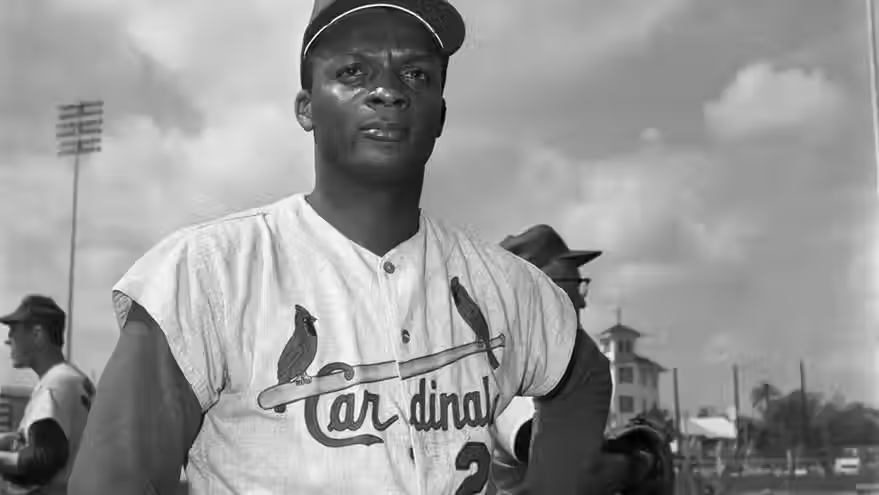
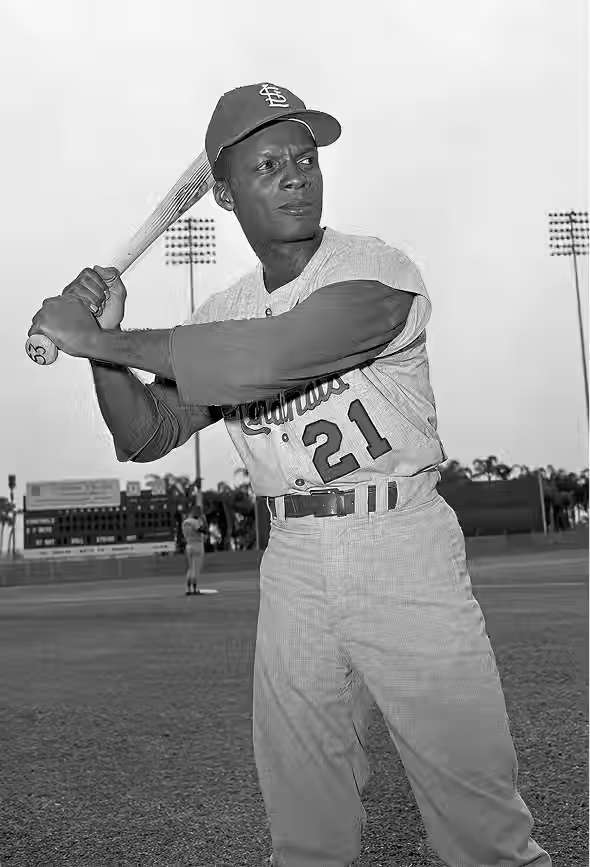
All-Star Outfielder Sacrifices Career to Challenge the Reserve Clause
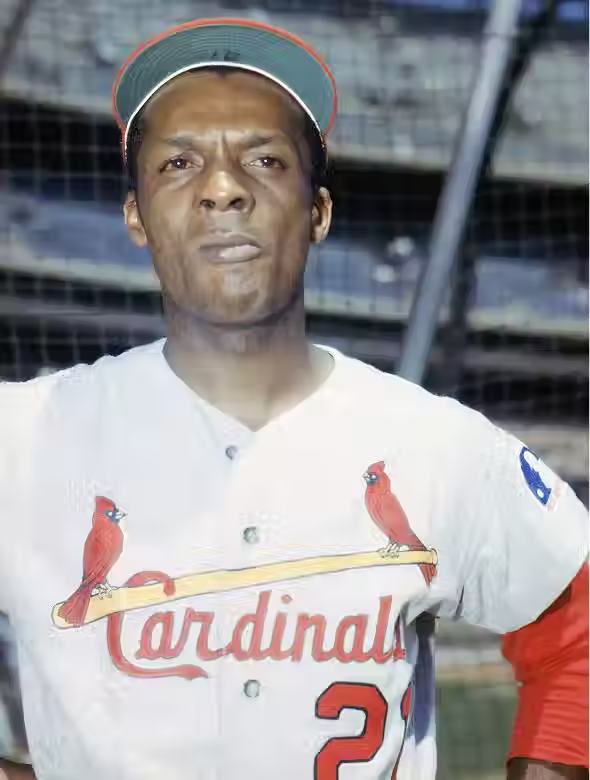
Dec. 24, 1969 – Curt Flood’s challenge to baseball’s reserve clause officially begins when he sends a letter to commissioner Bowie Kuhn informing him that he will not accept a trade from the St. Louis Cardinals to the Philadelphia Phillies. “I do not feel that I’m a piece of property to be bought and sold irrespective of my wishes,” Flood writes.
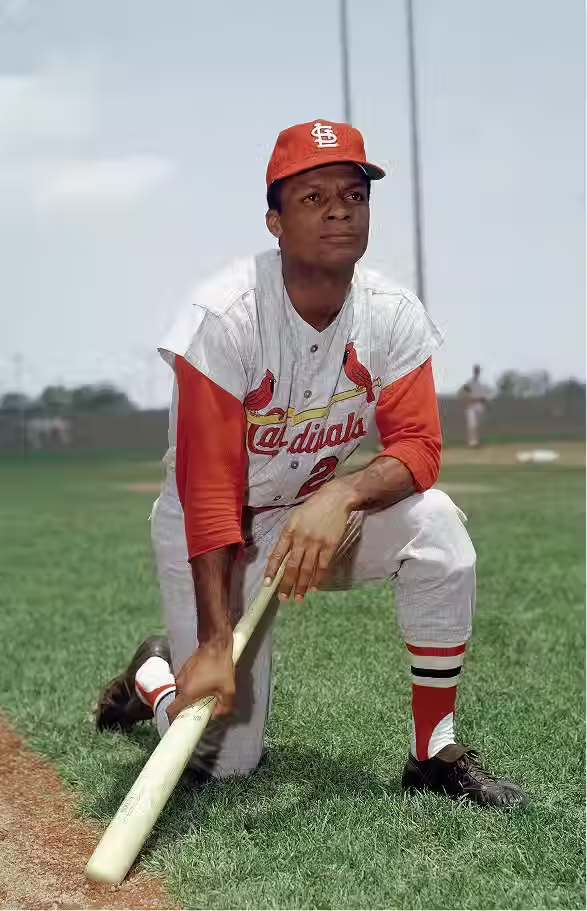
Curt Flood Takes a Stand

Baseball’s First CBA
A groundbreaking agreement brings historic change for Players
A four-person search committee consisting of big leaguers Robin Roberts, Jim Bunning, Harvey Kuenn and Bob Friend begins the process of finding new leadership for the MLBPA, which was conceived in 1953 but has not been formally recognized as a union. The MLBPA was the fifth attempt to organize MLB Players, with the first attempt dating back to 1885.
A visionary approach to business.
Economist and labor leader joins the MLBPA as its first full-time executive director
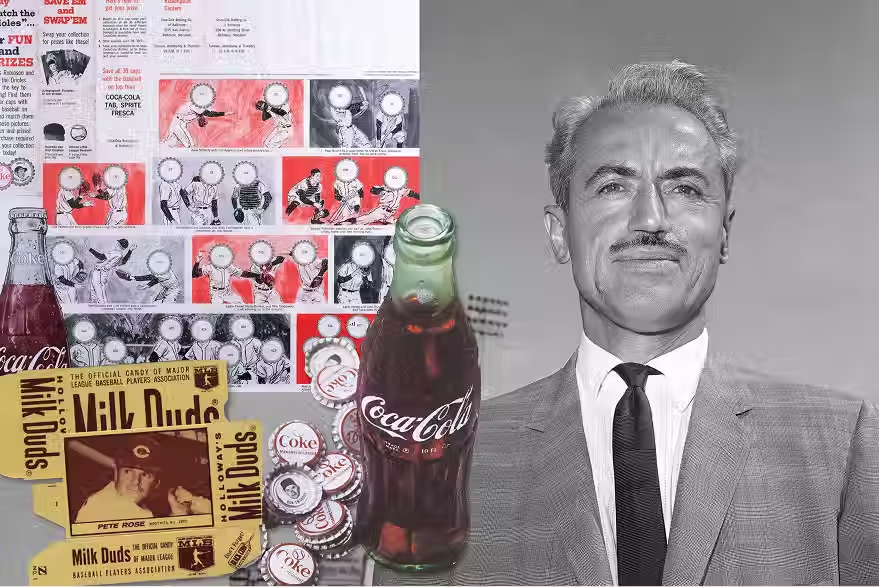
$120,000
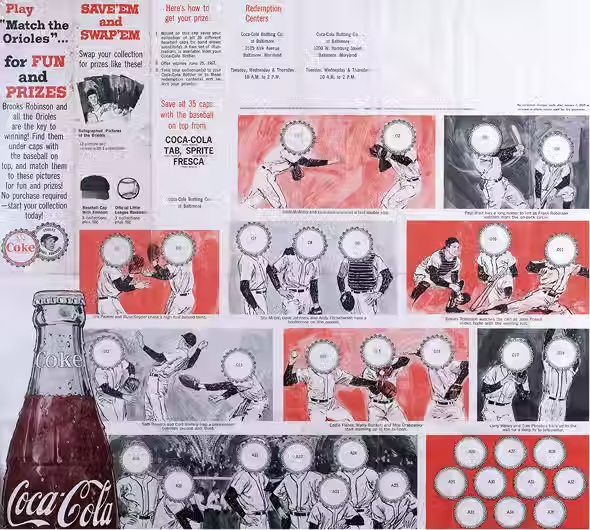
Miller negotiates a two-year, $120,000 agreement with Coca-Cola that gives the company the right to use Player likenesses on the underside of bottle caps. The money helps fund the Players Association’s operations upon its inception and establishes a model for other sports unions to follow.
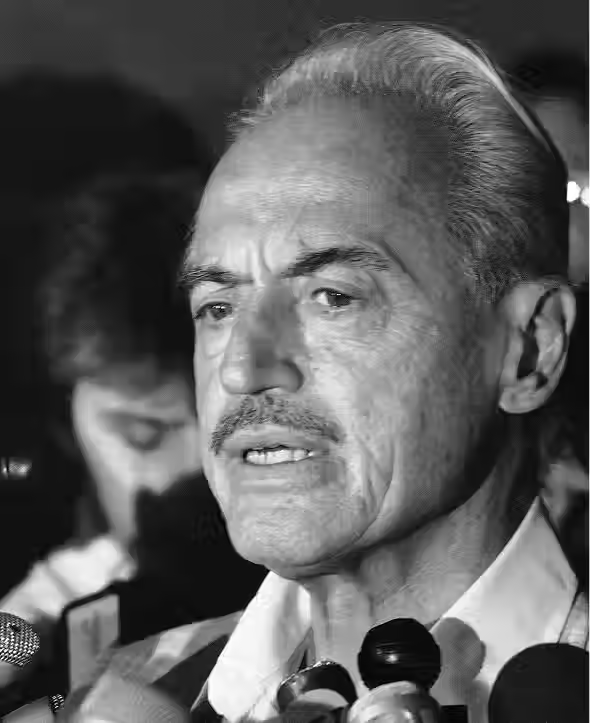
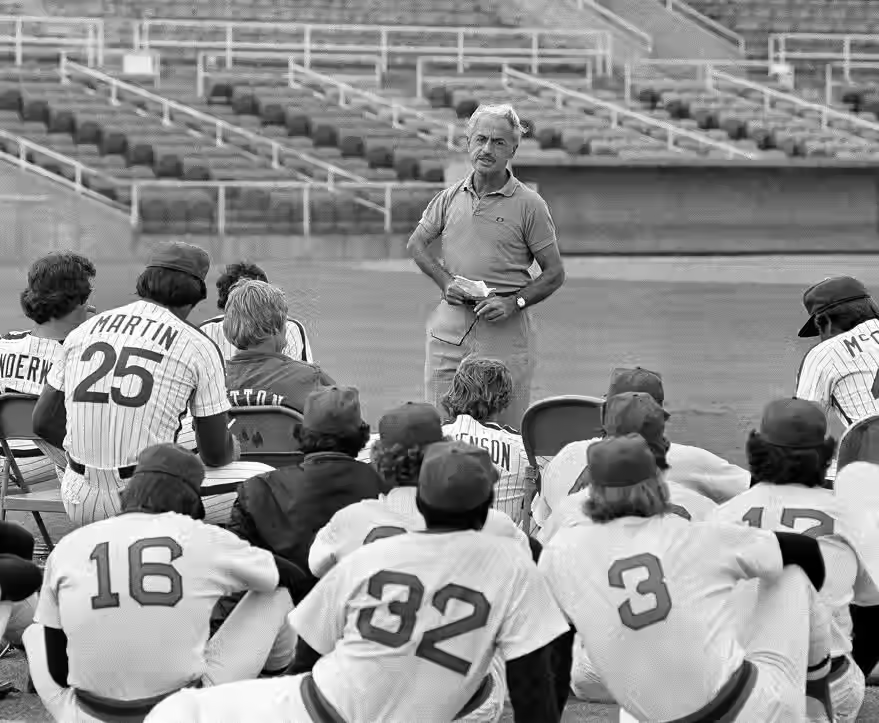
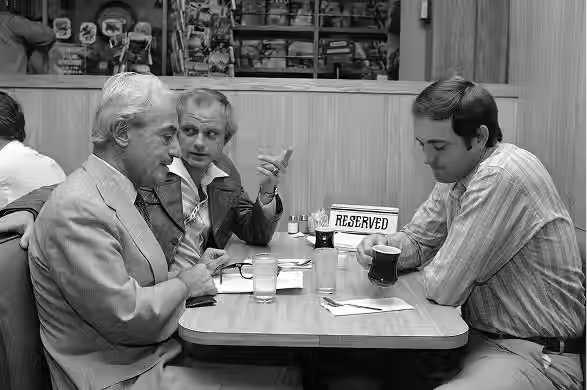
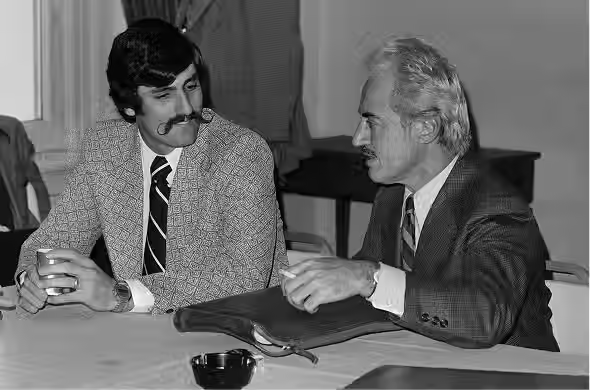
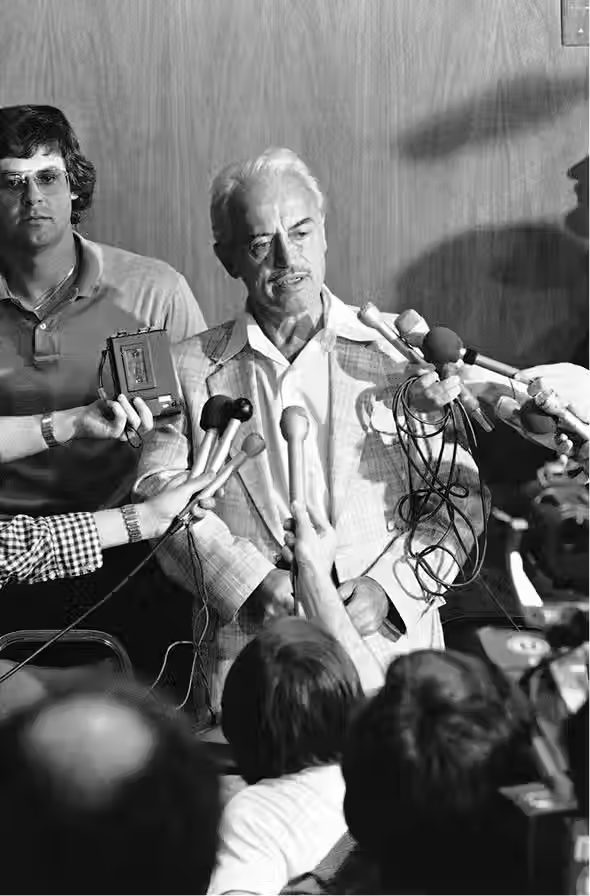
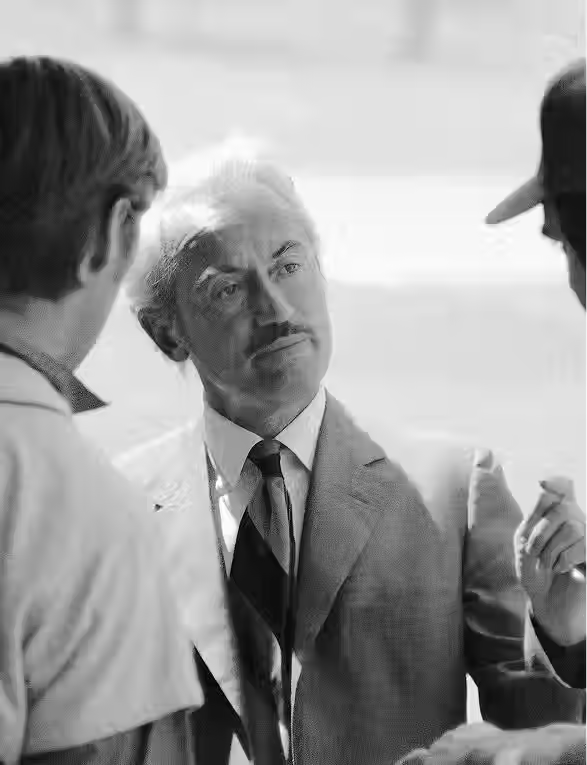
The Marvin Miller Era Begins
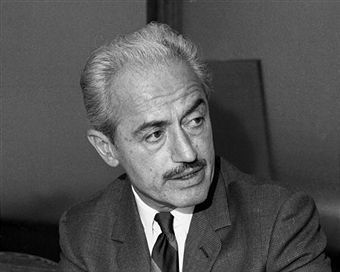
Marvin Miller, an economist with the United Steelworkers of America, is hired as MLBPA executive director and begins the transformation of the Players Association into a bona fide labor union.
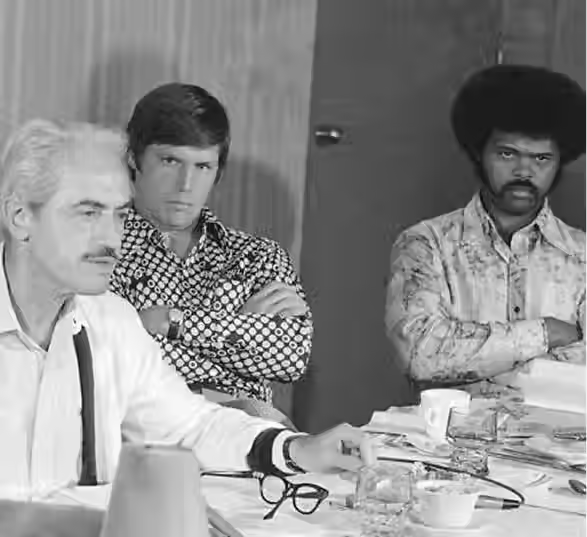
Players Spearhead Search for Leadership
A four-person search committee consisting of big leaguers Robin Roberts, Jim Bunning, Harvey Kuenn and Bob Friend begins the process of finding new leadership for the MLBPA, which was conceived in 1953 but has not been formally recognized as a union. The MLBPA was the fifth attempt to organize MLB Players, with the first attempt dating back to 1885.
Players Hold Strong During 12-day Strike
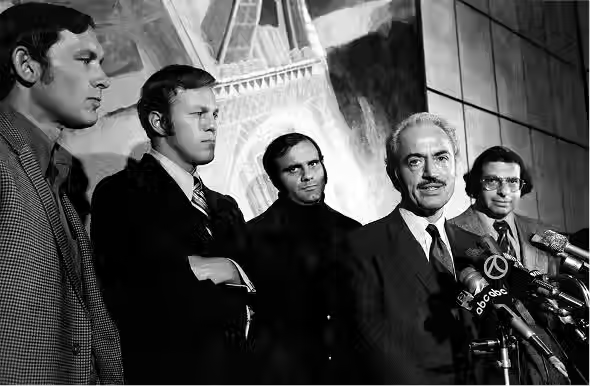
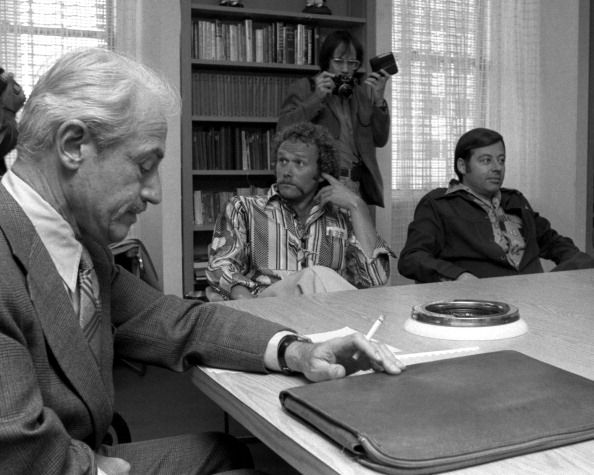
April 12, 1972 – Players remain unified during a 12-day strike. The dispute ends when owners make a $500,000 contribution to the Players’ pension fund, setting the stage for a 1973 CBA that increases minimum salaries, establishes salary arbitration for Players with at least two years of service, and allows all five-year Players to block a demotion to the minors. “Money is not the issue,’’ Miller tells reporters. “The real issue is the owners’ attempt to punish the Players for having the audacity not to crawl.”
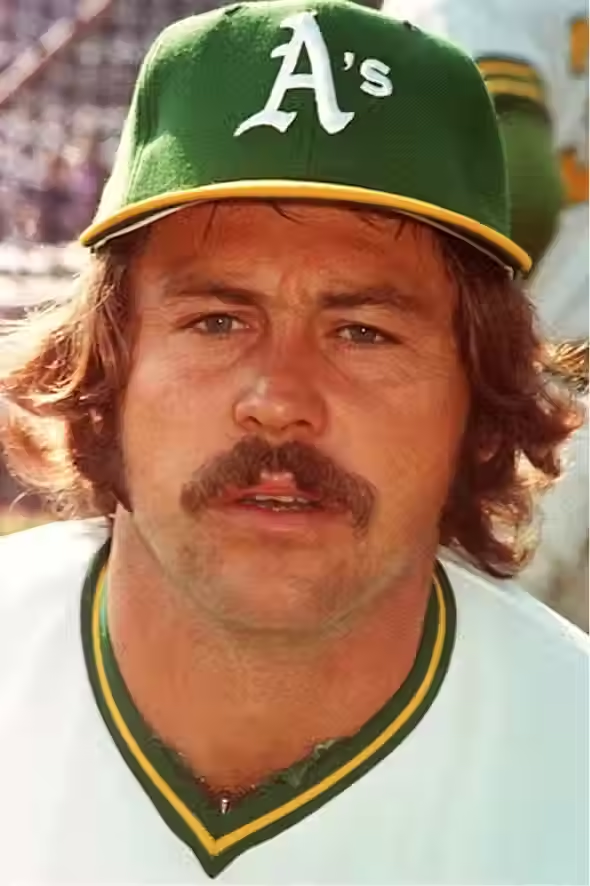
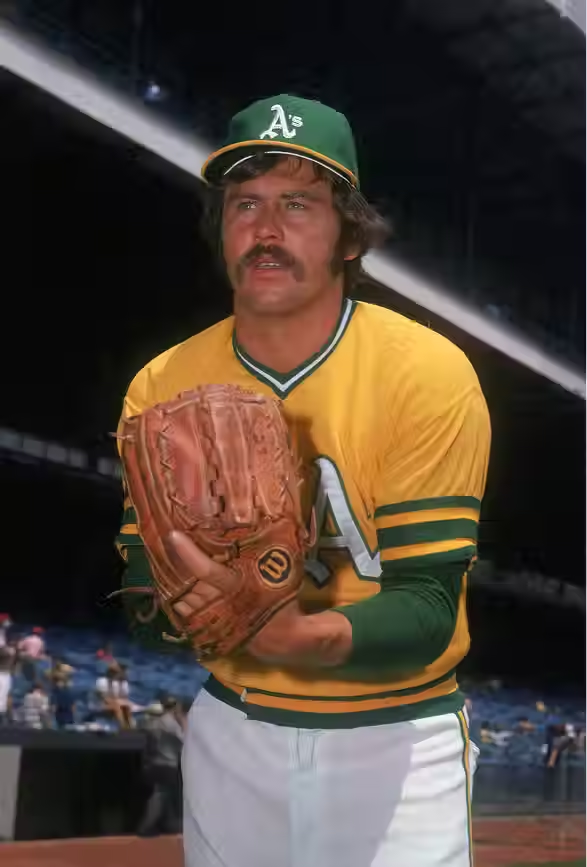
Catfish Hunter’s Free Agency
Successful Grievance Illustrates the Immense Value of a Free Market
December 1974 – Neutral arbitrator Peter Seitz upholds MLBPA grievance, granting free agency to pitcher Catfish Hunter after the Oakland A’s fail to pay deferred compensation as required in Hunter’s contract.
The real issue is the owners' attempt to punish the Players for having the audacity not to crawl
- Marvin Miller
MLBPA
1966
MLBPA
MLBPA
MLBPA
Miller’s Push for Neutral Arbitration Pays Dividends, Ushering in Era of Free Agency
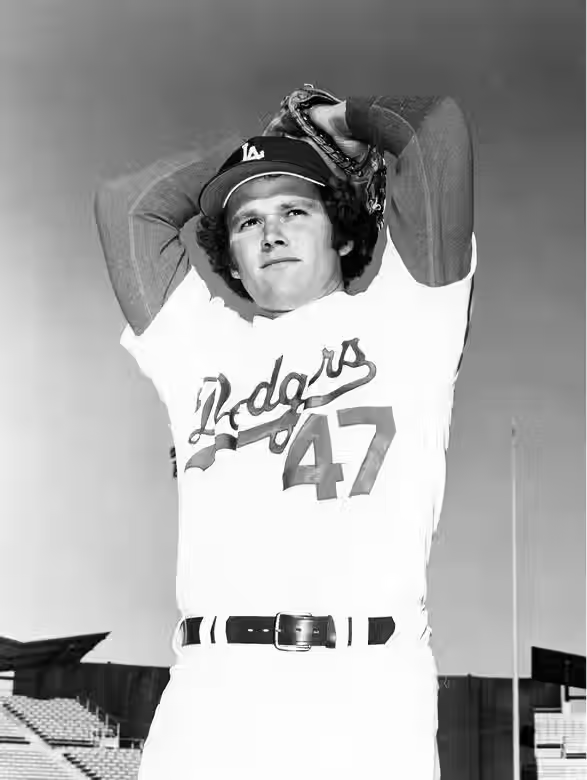
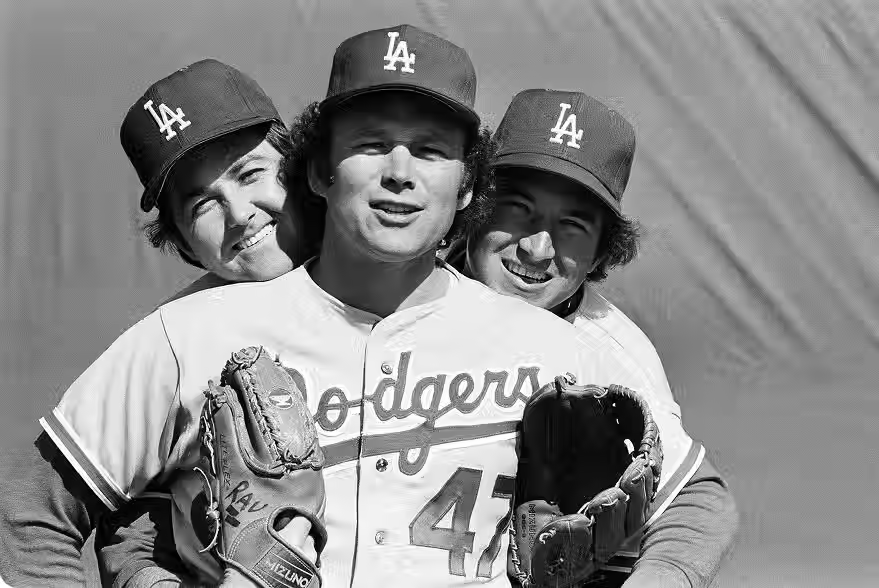
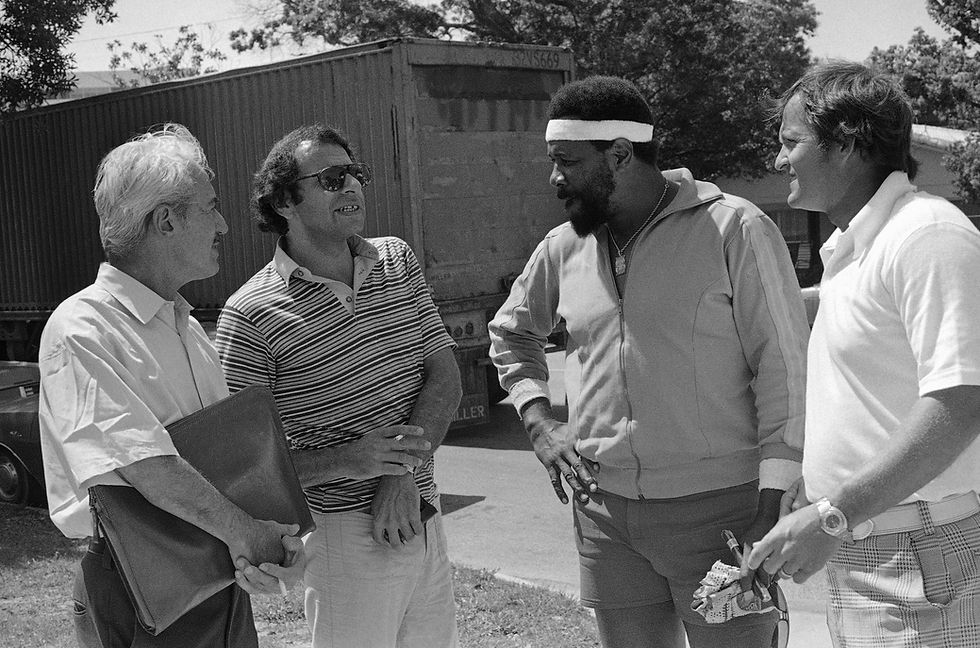
Dec. 23, 1975 – Seitz rules again for the MLBPA and in favor of pitchers Andy Messersmith and Dave McNally in their grievance challenging baseball’s reserve clause. Players are no longer tied to their clubs in perpetuity, ushering in the start of free agency in baseball.
MLBPA
1968
MLBPA
MLBPA
MLBPA
MLBPA
1972
MLBPA
MLBPA
MLBPA
MLBPA
1975
MLBPA
MLBPA
MLBPA
Messersmith and McNally Make History
April 12, 1972 – Players remain unified during a 12-day strike. The dispute ends when owners make a $500,000 contribution to the Players’ pension fund, setting the stage for a 1973 CBA that increases minimum salaries, establishes salary arbitration for Players with at least two years of service, and allows all five-year Players to block a demotion to the minors. “Money is not the issue,’’ Miller tells reporters. “The real issue is the owners’ attempt to punish the Players for having the audacity not to crawl.”
MLBPA
1969
MLBPA
MLBPA
MLBPA
MLBPA
1974
MLBPA
MLBPA
MLBPA
_edited_edited.png)
Game Changers
The Players and leaders who didn't just play the game - they redefined it.

1981
Baseball’s First CBA
A groundbreaking agreement brings historic change for Players
A four-person search committee consisting of big leaguers Robin Roberts, Jim Bunning, Harvey Kuenn and Bob Friend begins the process of finding new leadership for the MLBPA, which was conceived in 1953 but has not been formally recognized as a union. The MLBPA was the fifth attempt to organize MLB Players, with the first attempt dating back to 1885.
1995
Prevailing in Court and at the Bargaining Table
Players show unprecedented unity and stand firm through historic strike
March 31, 1995: A 232-day strike ends successfully when U.S. District Court Judge Sonia Sotomayor upholds the National Labor Relations Board's petition for an injunction against MLB, thwarting owners' plans to eliminate free agency and use replacement players to begin the 1995 season. Players return to the field for the season openers April 25.
1998
The Curt Flood Act
New law honoring baseball trailblazer equalizes Major Leaguers' rights with other athletes
October 27, 1998: After more than 100 Players speak with legislators on Capitol Hill, Congress passes and President Bill Clinton signs the Curt Flood Act, which eliminates baseball's antitrust exemption relating to Major League Players.
1996
A Mechanism for Giving Back
MLB Players take the lead with their charitable deeds
The formation of the Players Trust in 1996 gives Major Leaguers a vehicle to channel their collective energy into making a difference in the world and their own backyards. From its inception, the Players Trust provides the programs, structure, and resources to help Players build an enduring charitable legacy.
1996
New Agreement Brings Major Changes
Revenue sharing, interleague play part of 1996 CBA
December 1996: By a unanimous vote, Players ratify a new labor agreement. Among other elements, the new CBA calls for increases in the minimum salary, a revenue sharing plan among clubs, and the advent of interleague play starting in 1997.
1985
The Fight Continues
Baseball's sixth work stoppage in 14 years
August 1985: After a two-day strike, Players and owners agree to a new CBA that includes increased minimum salaries and improvements to free agent compensation provisions. The owners pursue a salary cap, but are quickly rebuffed. The 1985 strike marks baseball's sixth work stoppage since 1972.
1985
Fehr Takes the Reins
Miller's successor begins extended run as executive director
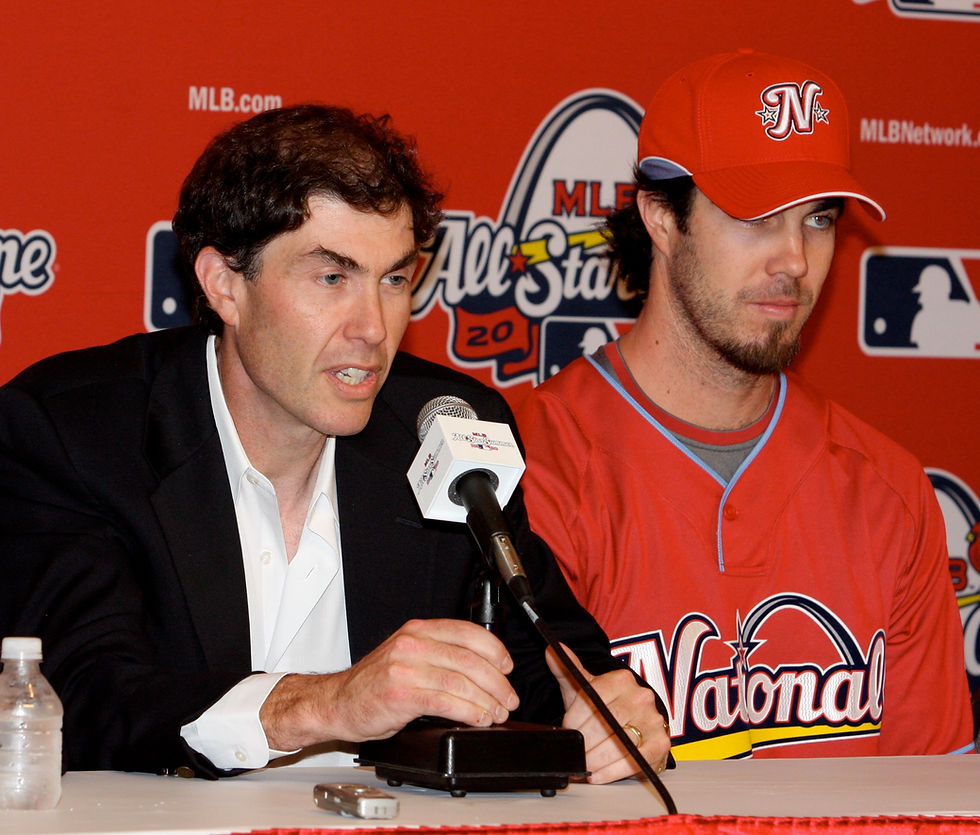
December 1985: Donald M. Fehr, who joined the Players Association as general counsel in 1977, succeeds Miller as the union's second executive director after holding the position for two years on an interim basis. During Fehr's tenure, the average Player salary increases from $413,000 in 1986 to almost $3 million in 2009.
1981
Solidarity During 50-Day Strike
Players stand united during a lengthy strike in defense of their free agent rights
July 31, 1981: Players strike in the middle of the 1981 season to fend off owners' push to weaken free agency by giving direct compensation to clubs who lose Players through the free agent process. A total of 713 games are cancelled during a 50-day strike, the longest in sports history at the time.
1990
A Massive Settlement
Owners' conspiracy to gut free agency defeated in arbitration
November 1990: The Players Association secures a $280 million collusion settlement following a series of arbitrator rulings that MLB owners conspired against free agents following the 1985, 1986 and 1987 seasons.
The Future of the Players’ Union
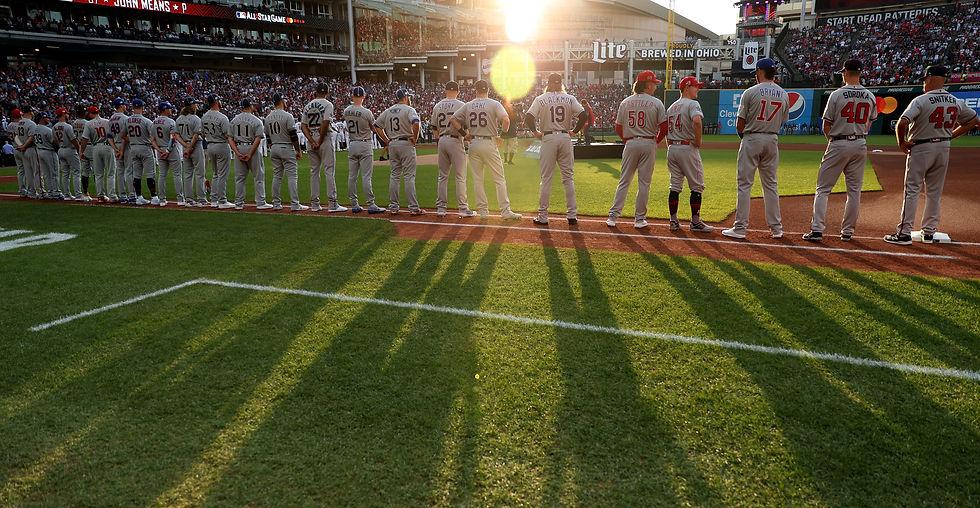
2019
Full Speed Ahead on Realizing Player Value
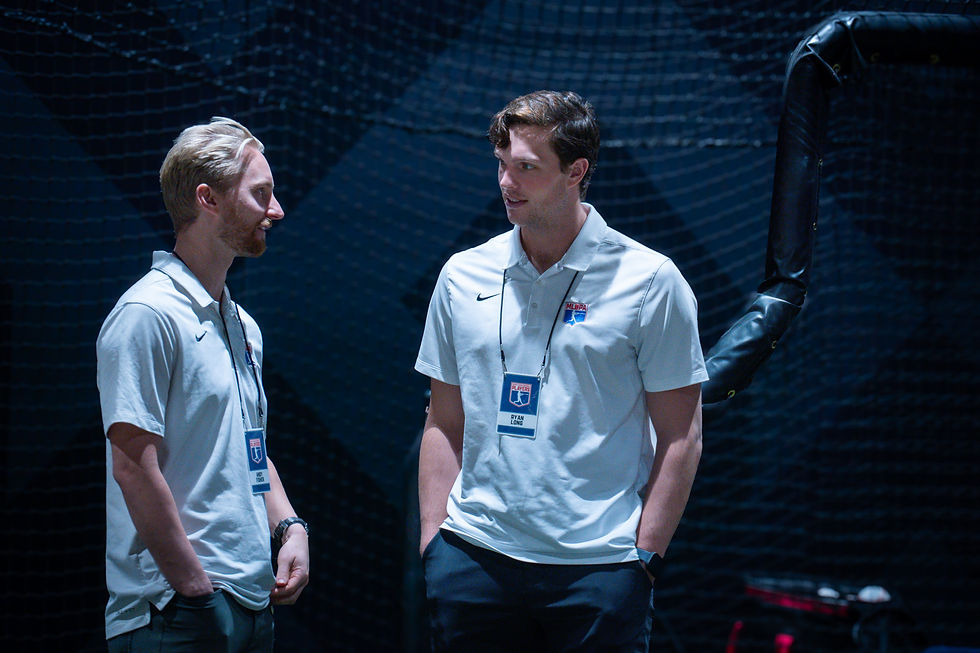
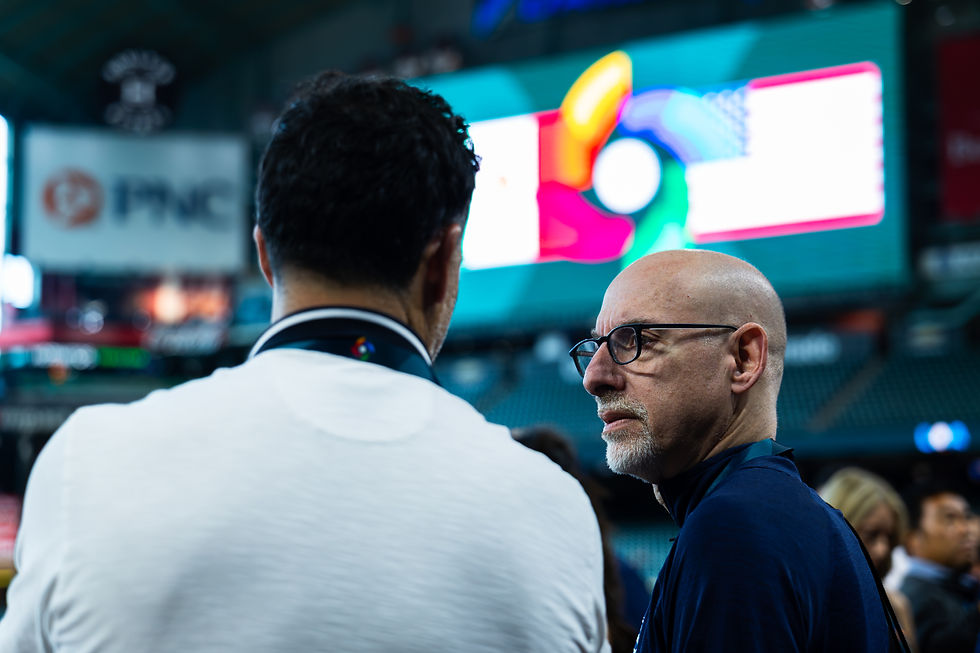
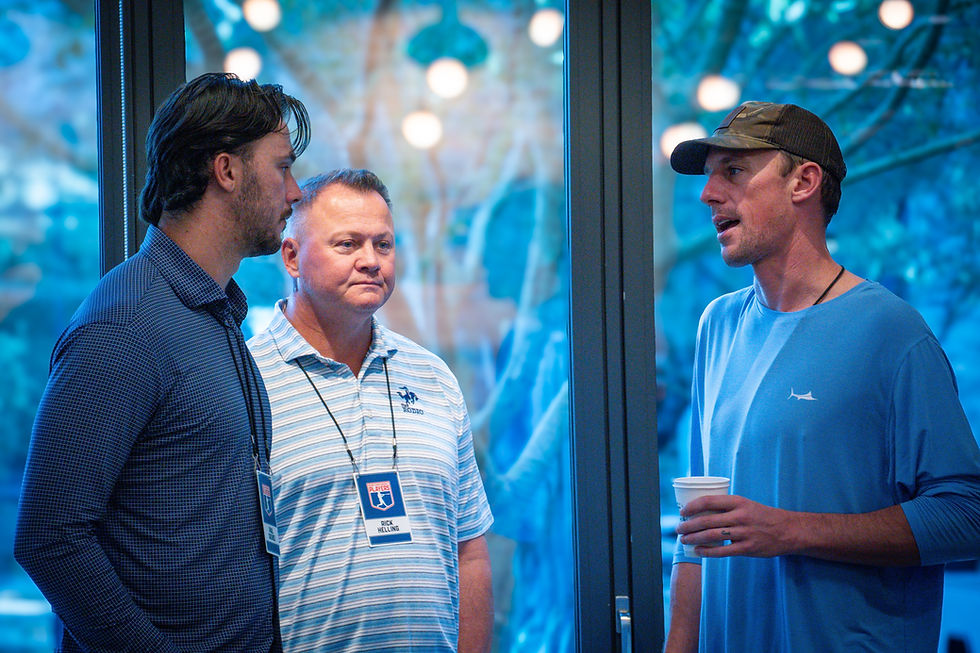
Executive Director Tony Clark leads Players on a series of groundbreaking business initiatives that produce an explosion in Player-generated revenues. The union establishes a for-profit subsidiary, MLB Players, Inc., to maximize value from existing and new business, and launches the joint venture OneTeam Partners with the NFLPA and a subsidiary OneTeam International alongside other global sports unions. Through its business partnerships, the Players Association nearly triples its licensing revenue from 2019 to 2024.
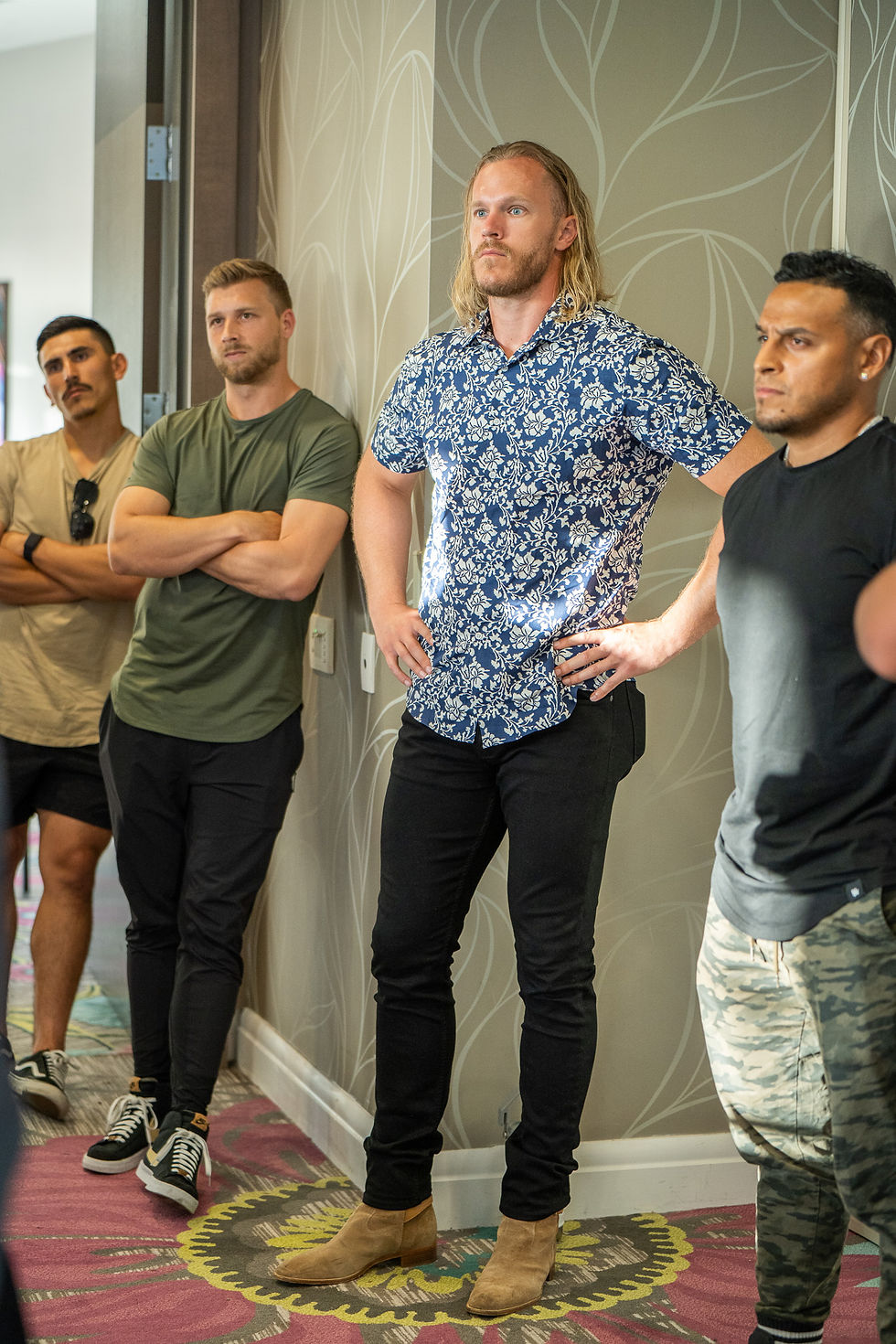
2022
Solidarity Again Yields Gains in New CBA
March 10, 2022 – Players remain unified through a 99-day lockout and negotiate a new Basic Agreement. Among other gains, the deal produces historic increases in minimum salaries and Competitive Balance Tax thresholds, a new bonus pool for pre-arbitration Players, and measures to promote competition and combat anticompetitive behavior such as tanking and service-time manipulation.
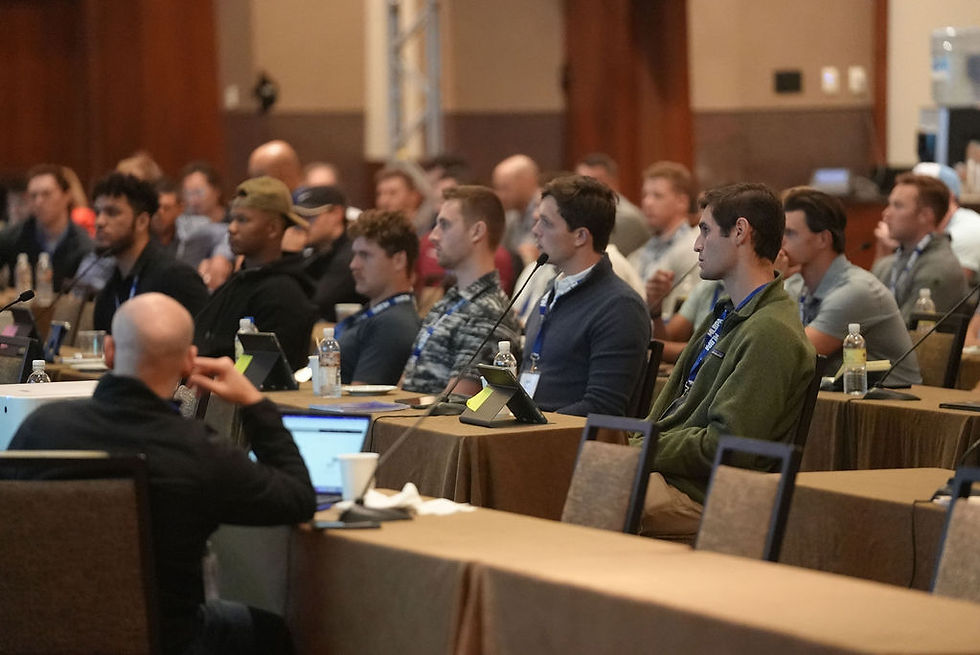
2022
MLB Recognizes a Collective New Voice
Aug. 29, 2022 – The MLBPA launches a historic and successful drive to unionize Minor Leaguers, resulting in voluntary recognition by MLB just 17 days later. The MLBPA is now the exclusive bargaining representative for 5,500 Minor Leaguers at all levels.
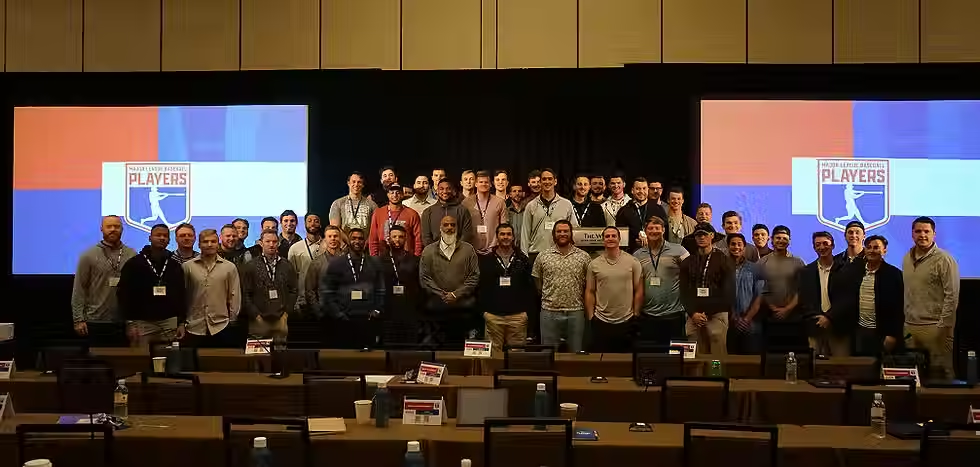
2023
A CBA for Minor Leaguers
March 31, 2023 – Minor League Players reach agreement on a historic first collective bargaining agreement that more than doubles salaries at all levels, dramatically improves benefits and working conditions, reclaims Minor Leaguers’ right to control the use of their name, image and likeness, and ensures that all Players will have a seat at the table for generations to come.
Recent History
The MLBPA's story is still being written. From CBA advances to global impact on and off the field, Players are shaping the game’s present and future.
Keep Exploring
The MLBPA’s story lives in the people, moments, and movements that continue to shape the game.